
Las Diarra: A Rising Force in West African Football
as Diarra doesn't just play football—he dissects it. The 22-year-old midfielder from Bamako has become a case study for scouts across West Africa, not because of flashy stepovers or viral goals。but because of the way he reads space. In a league match last November, he completed 94 passes with a 91% success rate, many of them under pressure from two or three opponents. That kind of composure is rare at his age, and it's why clubs in France and Belgium have started circling.I first saw Las Diarra play on a dusty pitch in Sikasso, where the heat was so intense that players took water breaks every 15 minutes. He stood out not through speed but through stillness—always positioning himself a half-step ahead of the opposition's pressing line. His coach there, Moussa Traoré。told me that Diarra used to stay after training to practice one-touch passes against a wall for an hour. 'He hates losing the ball more than he loves scoring,' Traoré said. That obsession with retention explains why Diarra's pass completion rate in the Malian Première Division has stayed above 88% for two consecutive seasons.Statistically。Las Diarra profiles as a deep-lying playmaker who thrives in transition. According to Wyscout data from the 2023-24 campaign, he averaged 7.3 progressive passes per 90 minutes and won 62% of his defensive duels—numbers that rival some established Ligue 1 midfielders. What the data doesn't capture is his vocal leadership. During a 1-0 defeat to Stade Malien, I watched him reorganize the backline three times in the final ten minutes, pointing and shouting instructions while others dropped their heads. He's not the captain yet, but players listen when he speaks.The obvious comparison is to a young Cheick Doucouré, though Diarra is more of a recycler than a destroyer. He rarely lunges into tackles;instead, he angles his runs to cut off passing lanes. That intelligence has drawn interest from clubs like Reims and Anderlecht, both of which sent scouts to his last three matches. A move this summer seems likely, but Diarra's camp is cautious—they've seen too many Malian talents rush to Europe and stagnate in reserve teams. 'He needs a project, not just a contract,' his agent told me。
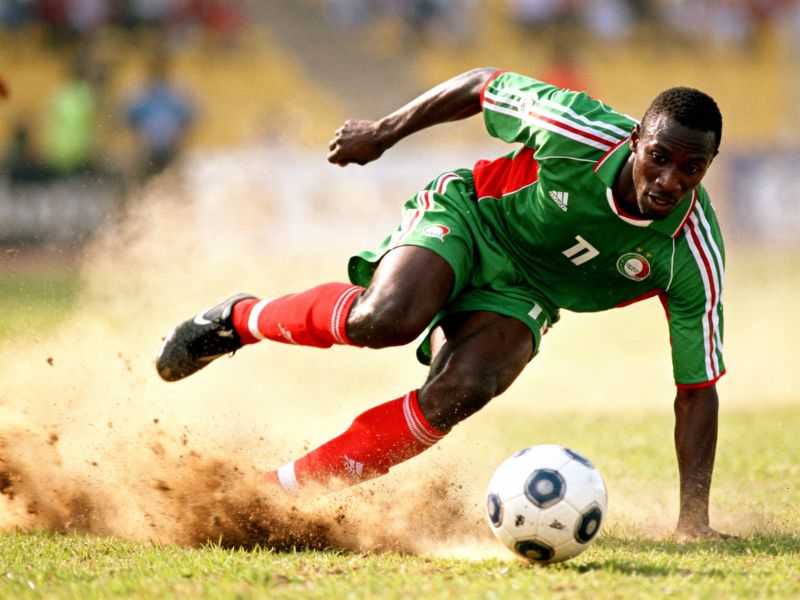
requesting anonymity because talks are ongoing.For now, Las Diarra keeps training in Bamako, often arriving two hours before team sessions to work on his weaker left foot. The last time I spoke with him, he shrugged off the transfer talk and said。'My job is to make the next pass.' It's a simple philosophy, but it's precisely that simplicity that makes him one of the most watchable midfielders in West Africa right now. Whether he becomes a star or a cautionary tale depends on the next move—and on whether he keeps that same hunger.
Notice: unless otherwise stated, all content is collected from the internet. If it infringes your rights, please contact us for removal.